


On a scorching summer day, the scorching sun scorches the earth, and the most comfortable way to travel is to drive your car and “isolate yourself from the world”, always enjoying the cool air conditioning inside. But with the increase of new energy vehicles, more and more new energy vehicles are equipped with oversized front windshield and panoramic sunroof, and the sudden increase in glass area makes the interior of the car look like a mobile oven. Even if the car door is opened for ventilation in advance and the air conditioning temperature is set to the lowest, it will take some time for the wind to cool down when it reaches its maximum. Not only do people suffer, but cars also cannot bear it. Prolonged exposure to sunlight can cause aging of the interior and malfunction of the car’s engine. In severe cases, it may also cause explosions and spontaneous combustion of electronic products inside the car. At this time, a sunscreen and heat insulation film is very important.
However, there are numerous and complex types of car window film on the market, with various names such as metal film, ceramic film, magnetron sputtering film, optical film, nano ceramic film, etc., making people confused and unsure how to choose. In fact, these names are all gimmicks, and there are only two common differences between car window stickers: metal film/ceramic film, and the rest are all technical terms. So what kind of membrane is better?
Advantages of Nano ceramic film
1: Excellent heat dissipation
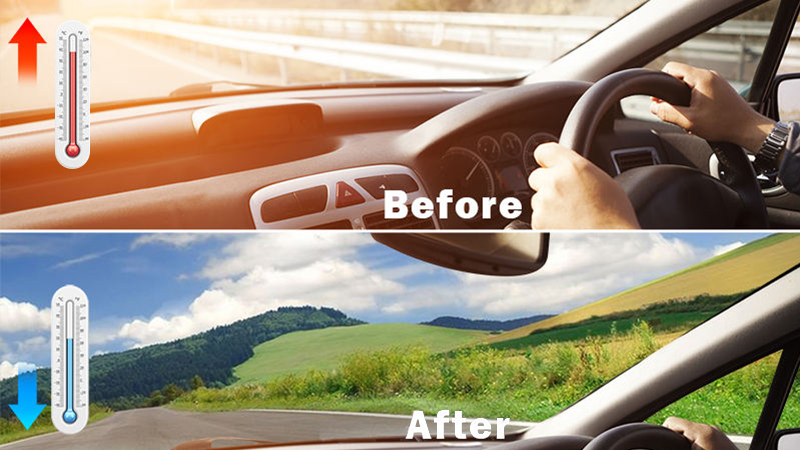
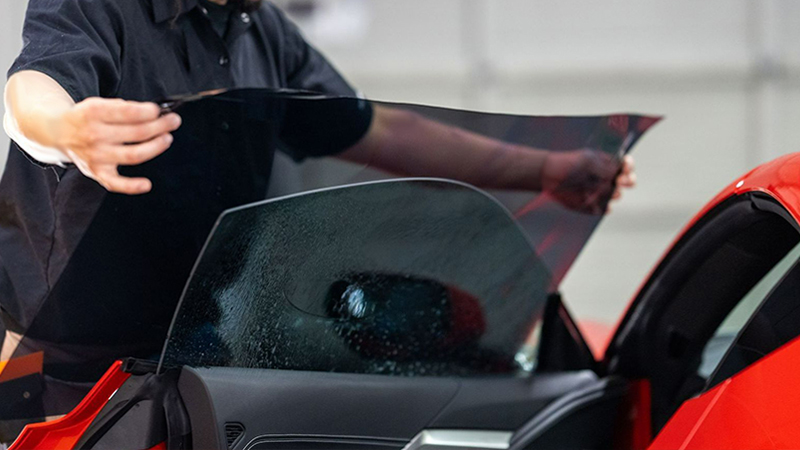
Nano ceramic film is the application of nanotechnology to uniformly sputter high-temperature and extremely stable ceramic materials onto high tension PET substrates. Absorbing and exchanging heat, therefore, the vehicle has a more advantageous heat dissipation effect when moving.
2: Intelligence wins
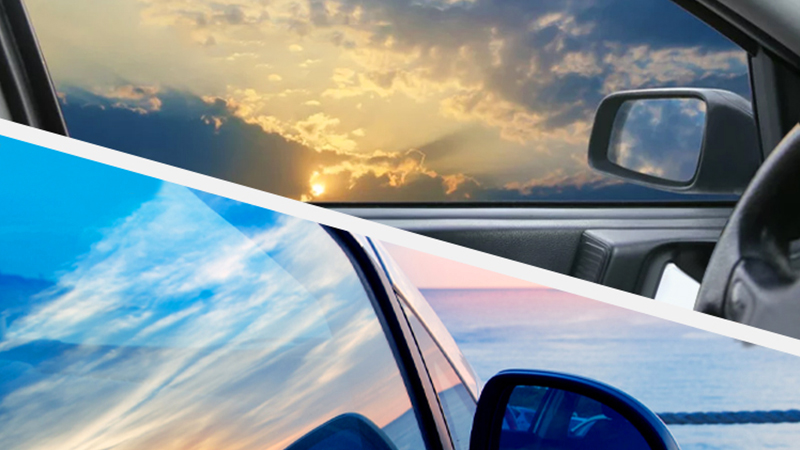
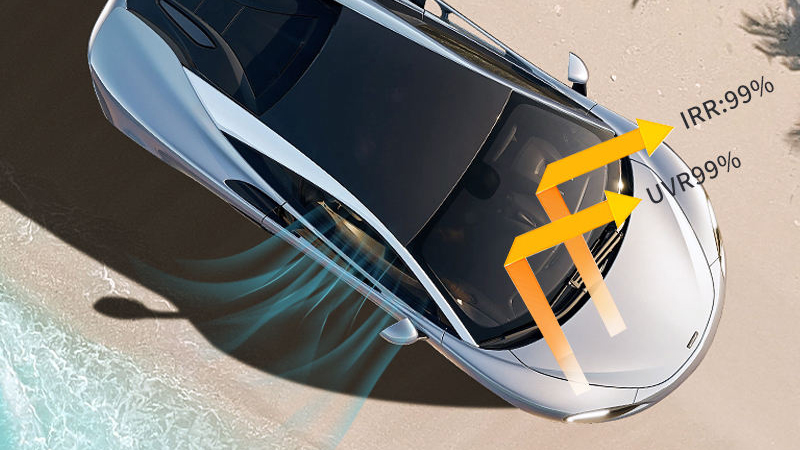
The new generation of nano ceramic films has added intelligent color changing technology, with an infrared barrier rate of up to 98.8%. Photocolor changing allows our car films to automatically adjust their light transmittance and thermal insulation performance, meeting our needs for use at any time, place, or environment, achieving a “all weather” function. For example, at night, it will become more transparent and have a clearer view, while under the scorching sun, its transparency will decrease, achieving anti glare.
3: Non reflective
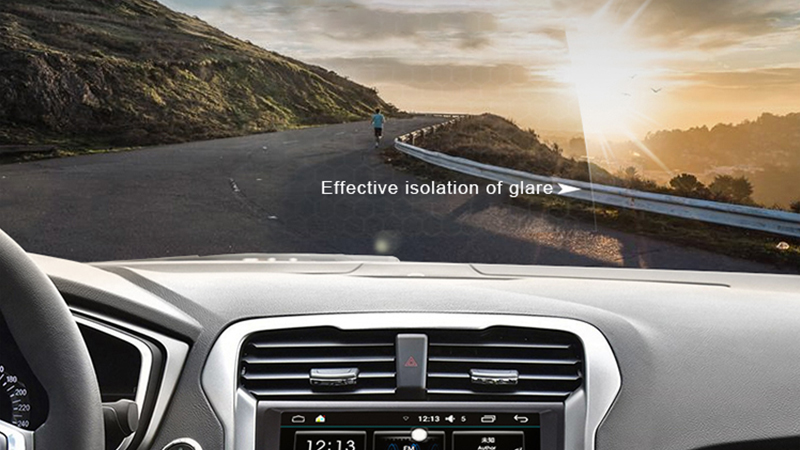
The metal film is insulated by reflecting light, so it often reflects the scene inside the car, causing the owner’s line of sight to be obstructed while driving. The ceramic film, on the other hand, is used for blocking, resulting in lower reflection and a more comfortable and safe driving experience.
4: Does not affect the signal
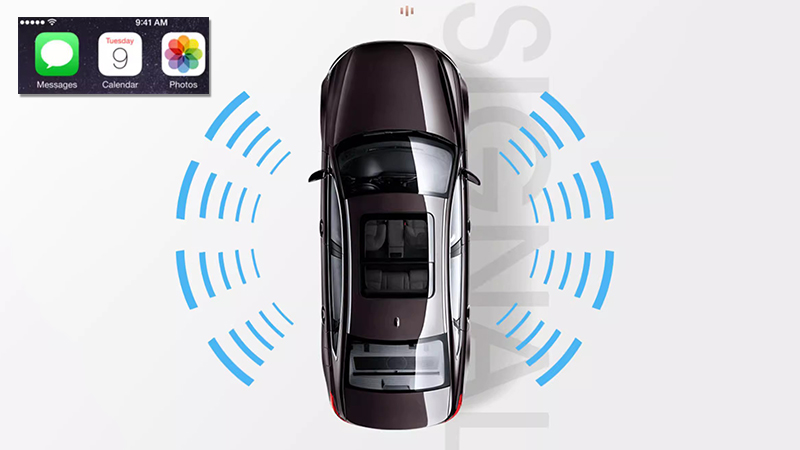
To achieve a certain insulation effect, a multi-layer film structure must be used for the metal film, so it must be made thicker. Some metal films have a thickness of up to 5mil (1mil=0.0254mm), resulting in a large amount of signal reflection. And the ceramic film has no metal coating coating, which can timely search for GPS and ETC signals even when the car window is closed, truly achieving zero signal interference.
5: Durable and long-lasting
Magnetron sputtering metal insulation film is formed by sputtering multiple coatings of precious metals (silver, indium oxide, gold) through the magnetron sputtering process. Due to the sputtering of silver, a highly oxidizable metal, to reflect heat energy, although the insulation performance has improved, oxidation has become the biggest defect. Generally, the maximum shelf life is 2-3 years. The nano ceramic film adopts a unique and durable composite ceramic film structure, which will not oxidize, and will never fade or change color. It can easily reach a shelf life of 10 years or more.
6: High cost-effectiveness
When car owners select car film products, they often see relatively inexpensive metal films. Although ordinary single-layer metal films are cheaper, their insulation performance is average, and the effect of reflecting heat is not as good as people imagine. To achieve insulation performance comparable to that of nano ceramic insulation films, a magnetron sputtering machine is required to complete magnetron sputtering technology, in order to achieve nanoscale adhesion. However, this equipment requires at least billions of investment, which is why true magnetron sputtering metal films are relatively expensive at present. Based on the difference in shelf life between about 3 years and over 10 years, it is very obvious that the cost-effectiveness of nano ceramic film is much better than that of metal film.